The story
Origin
After Napoleon fell, allegiance to him carried genuine consequence in France. His supporters stayed loyal anyway, and they built the proof into jewelry.
The concealed symbol
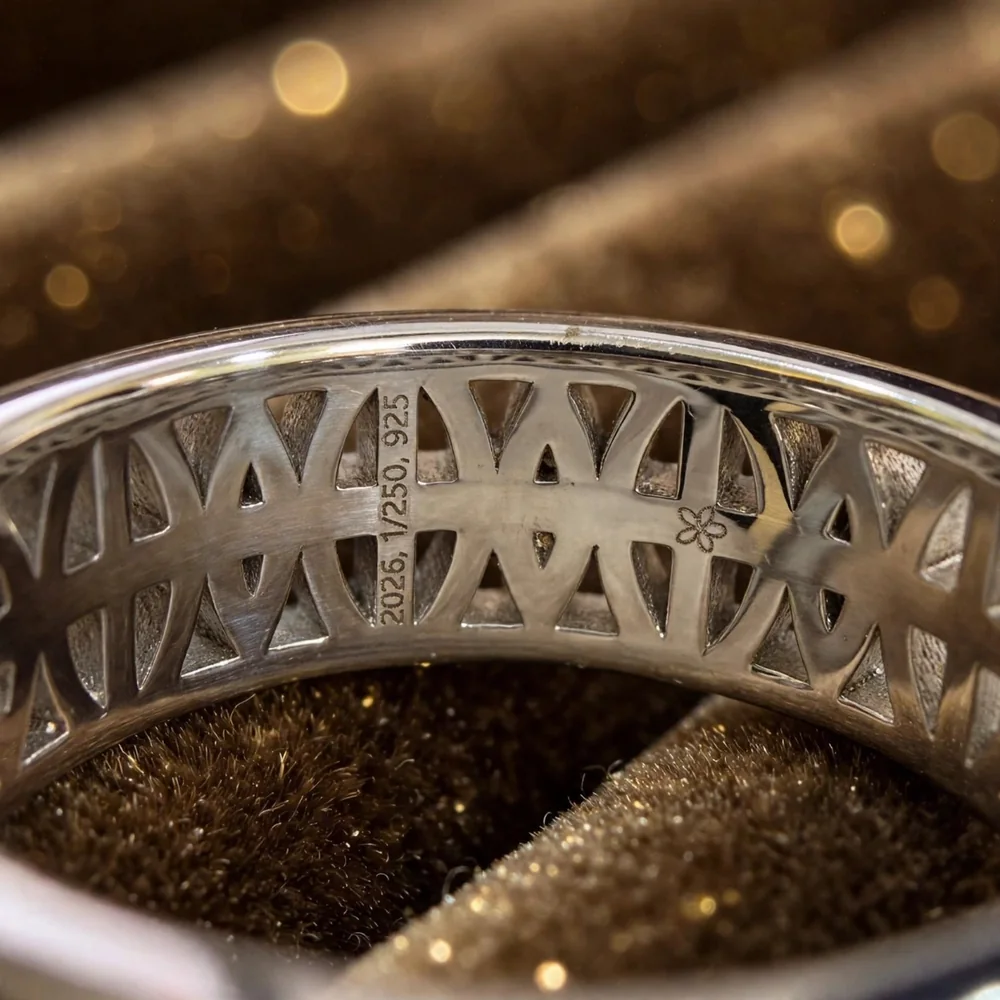
His portrait, or a smaller symbol representing him, was kept on the inside of the piece, against the skin and out of everyone else’s view. It was never made for anyone else to look at. What it carried was a symbol of loyalty belonging to the person wearing it, and he or she did not need to show it to a single soul for it to mean everything it meant.
The violet flower
Napoleon said he would return with the violets in spring, and the violet flower became the sign his supporters kept for him. Because open allegiance was dangerous, it served as their discreet symbol of loyalty, understood among themselves and unremarkable to everyone else. Carried rather than displayed, it stood for a promise held quietly, holding significance in its meaning rather than an external appearance.
Loyalty that has to announce itself isn't loyalty.
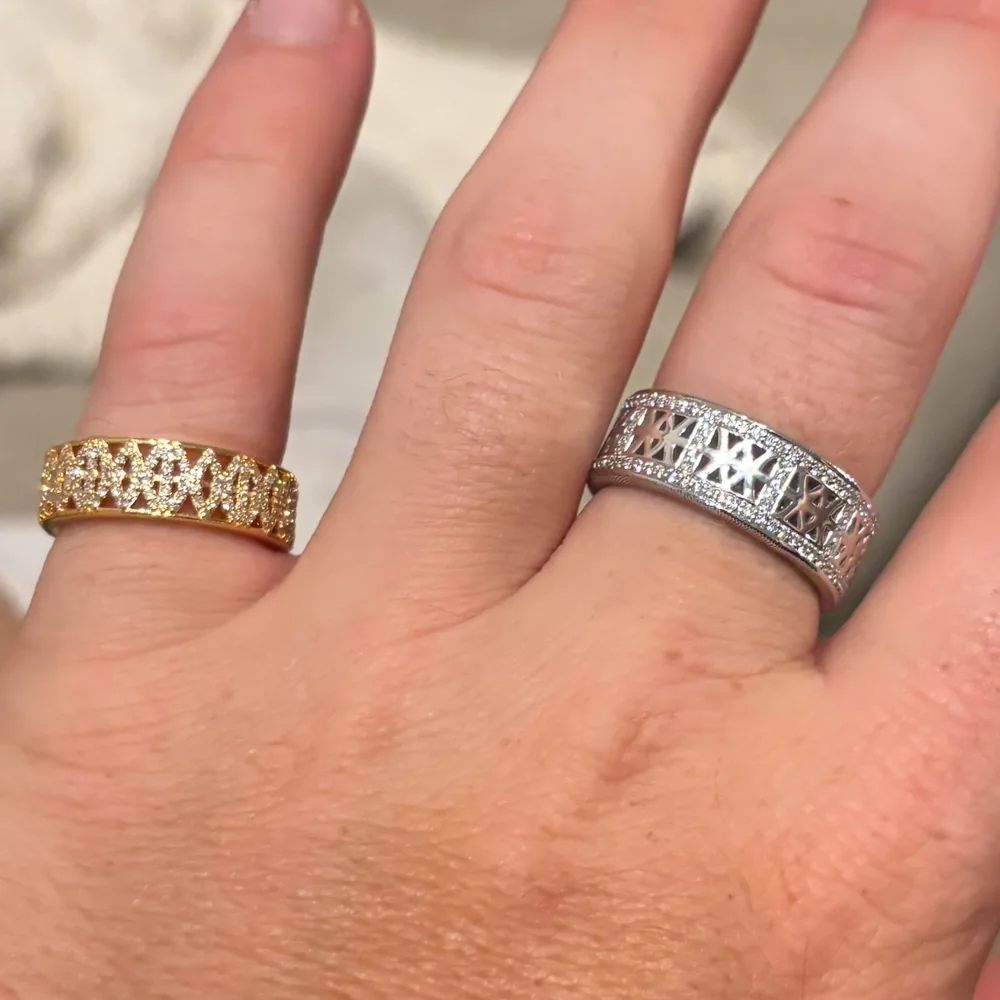
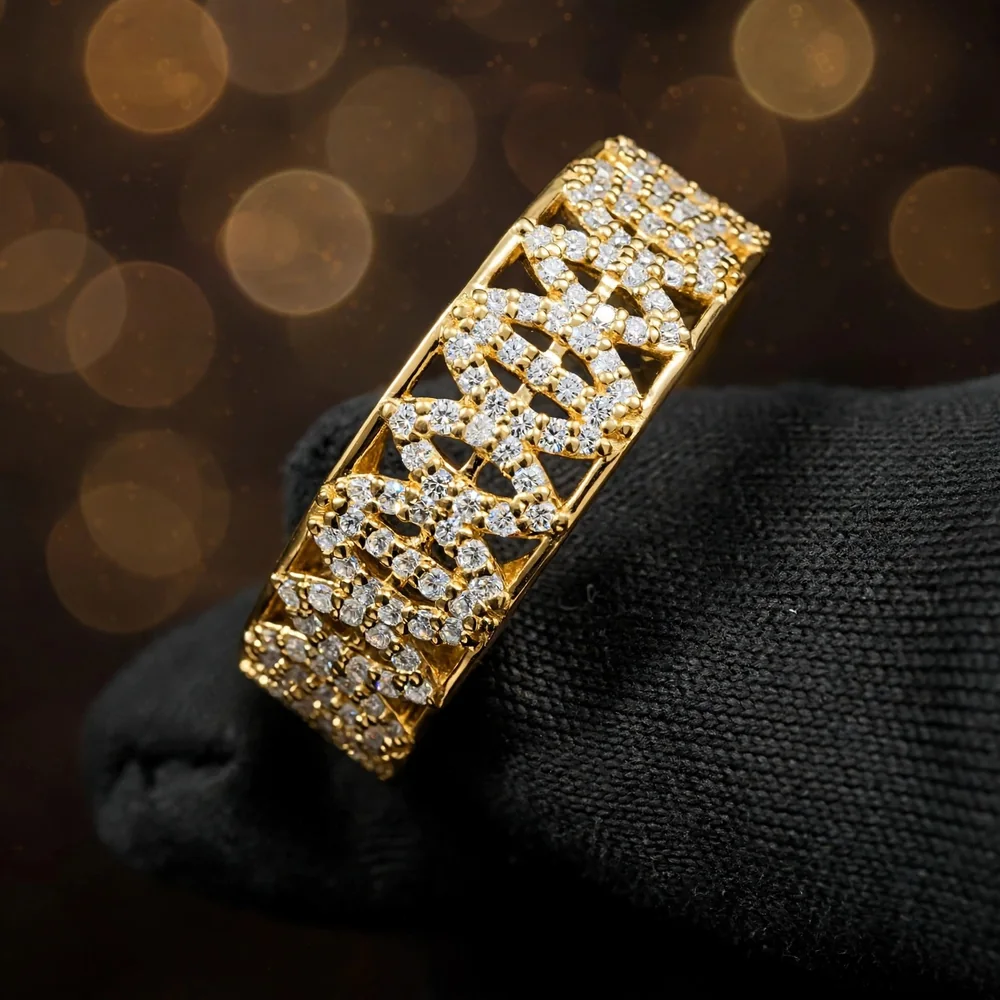
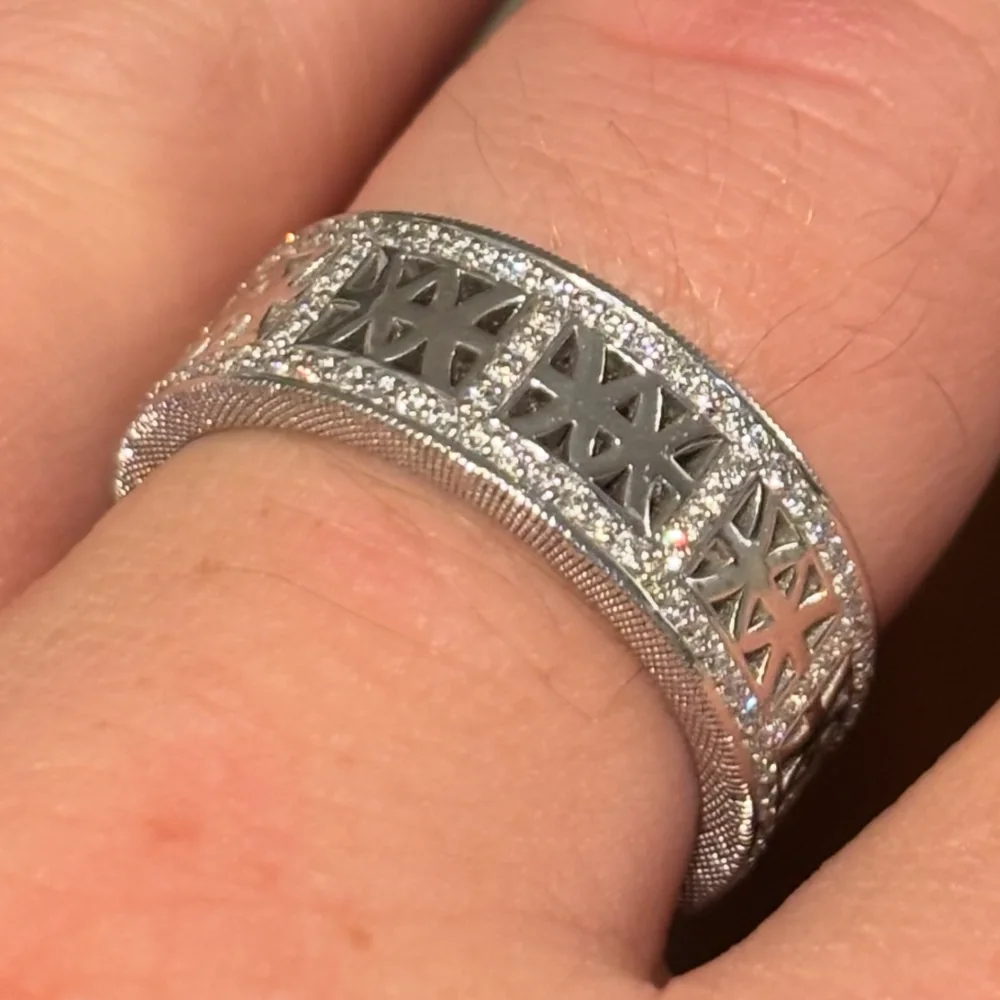
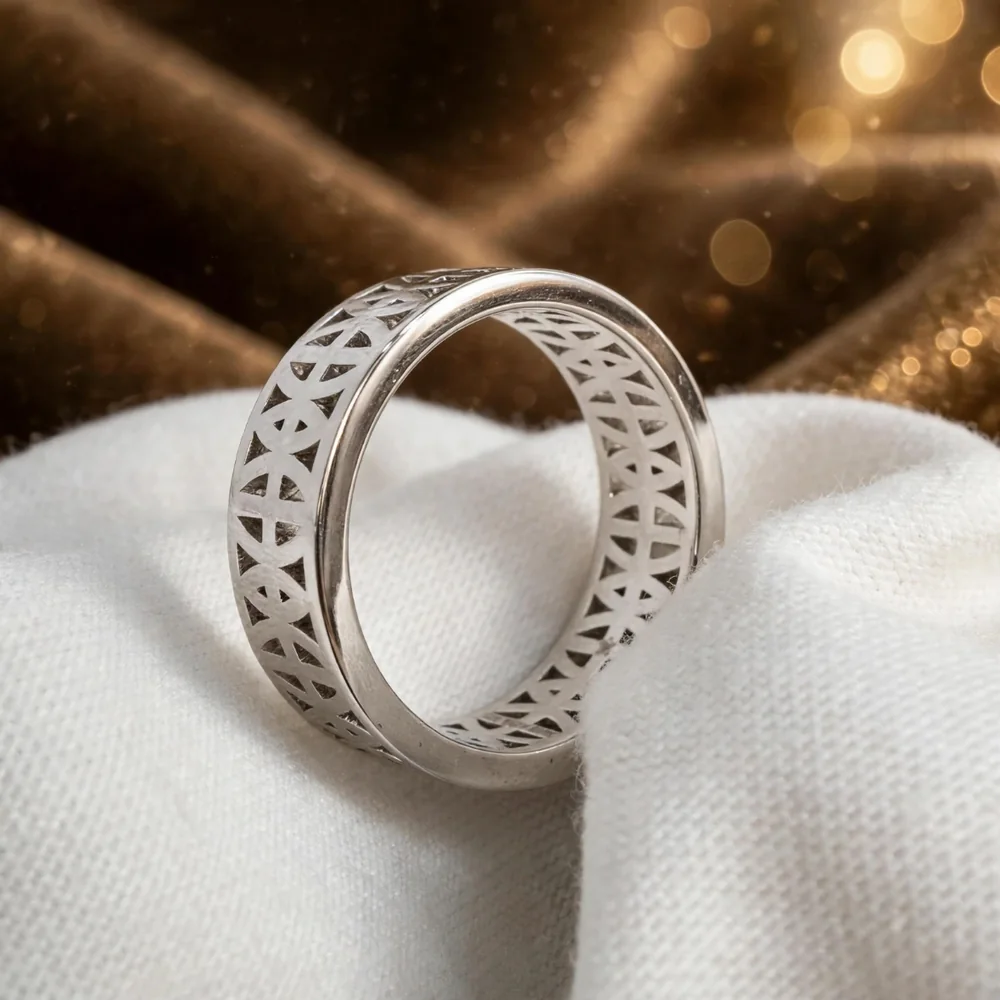
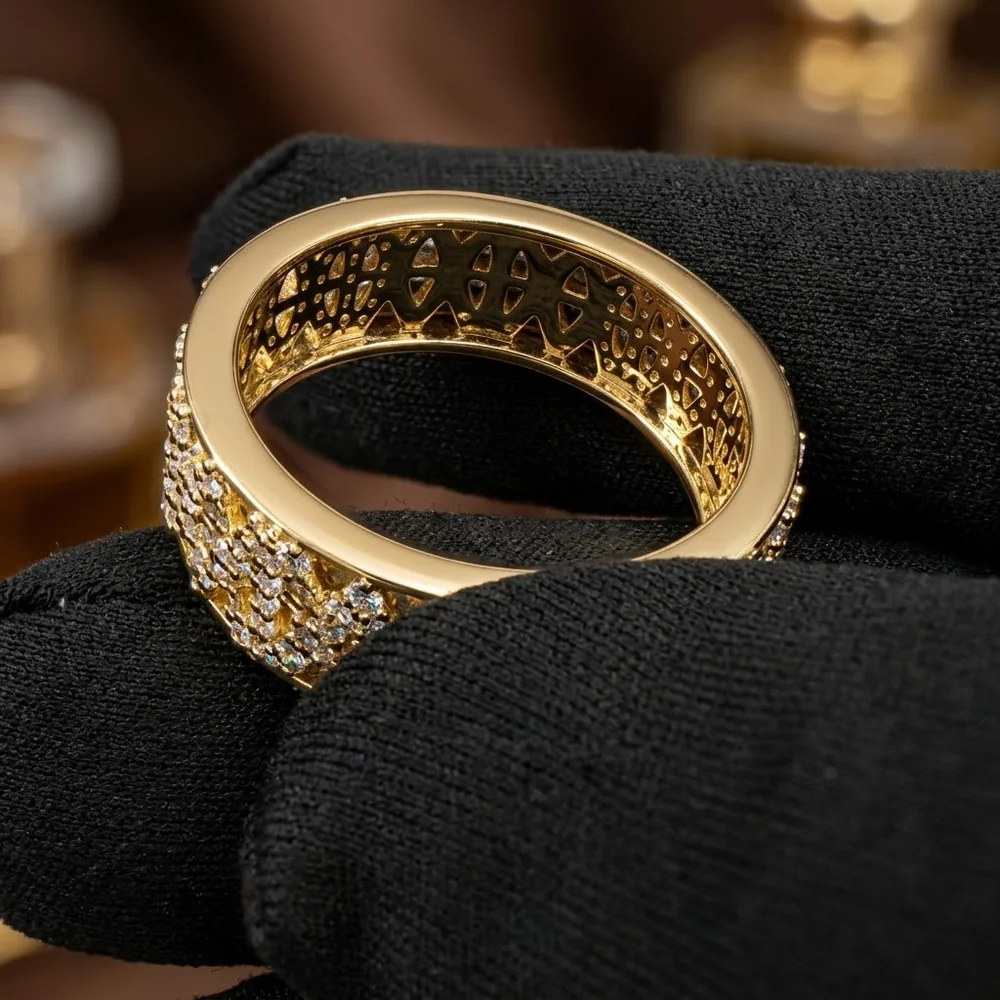
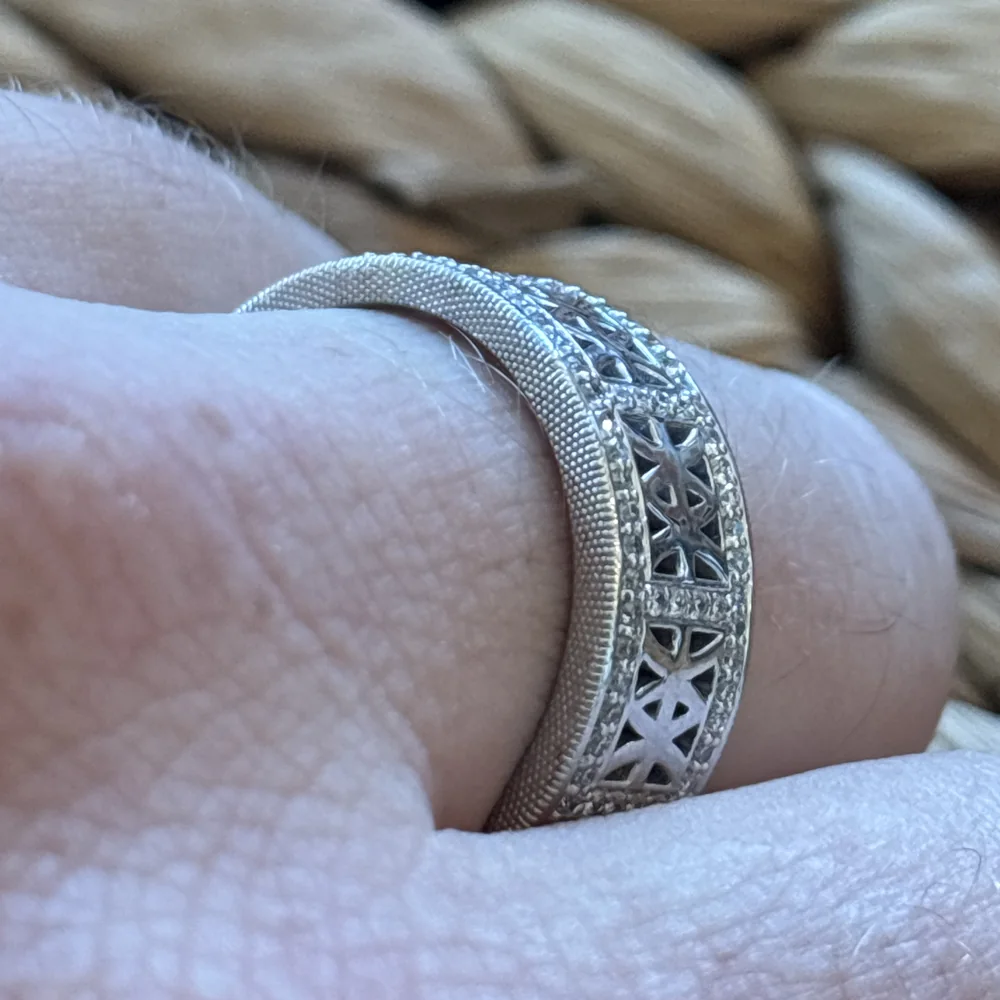
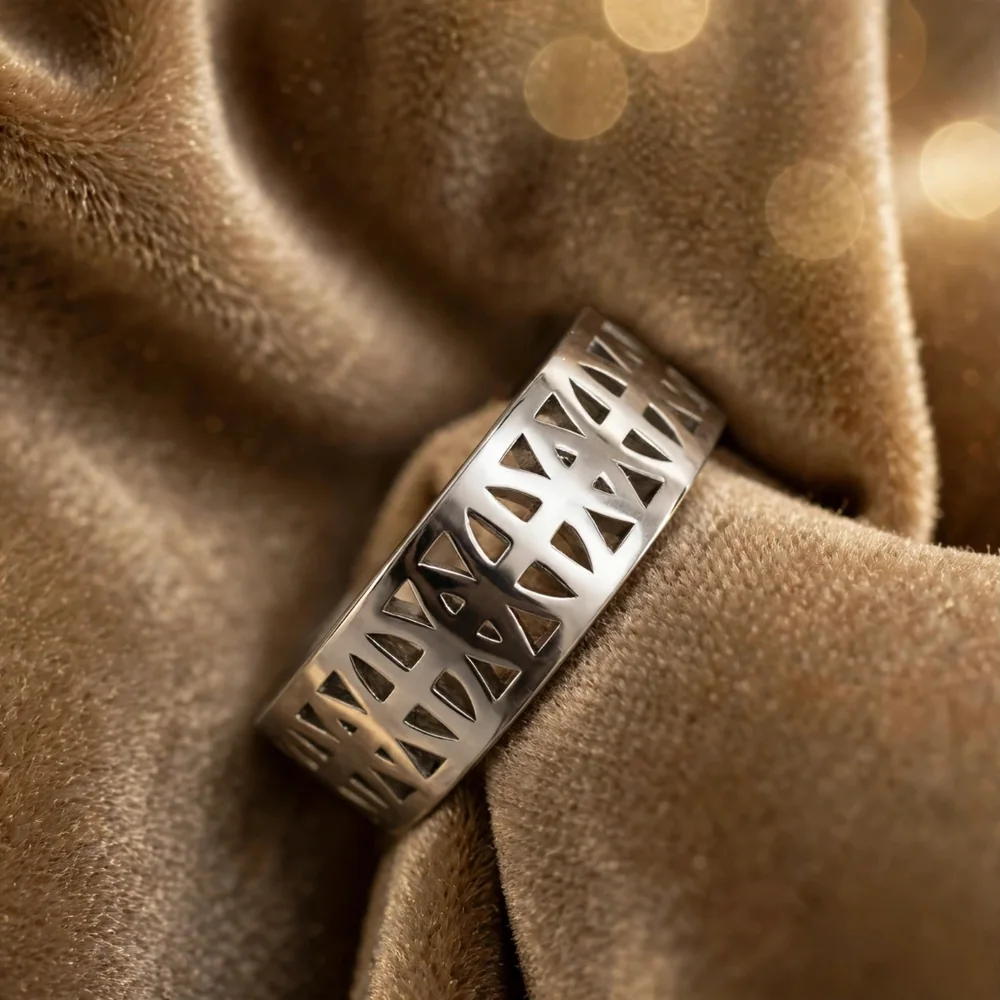
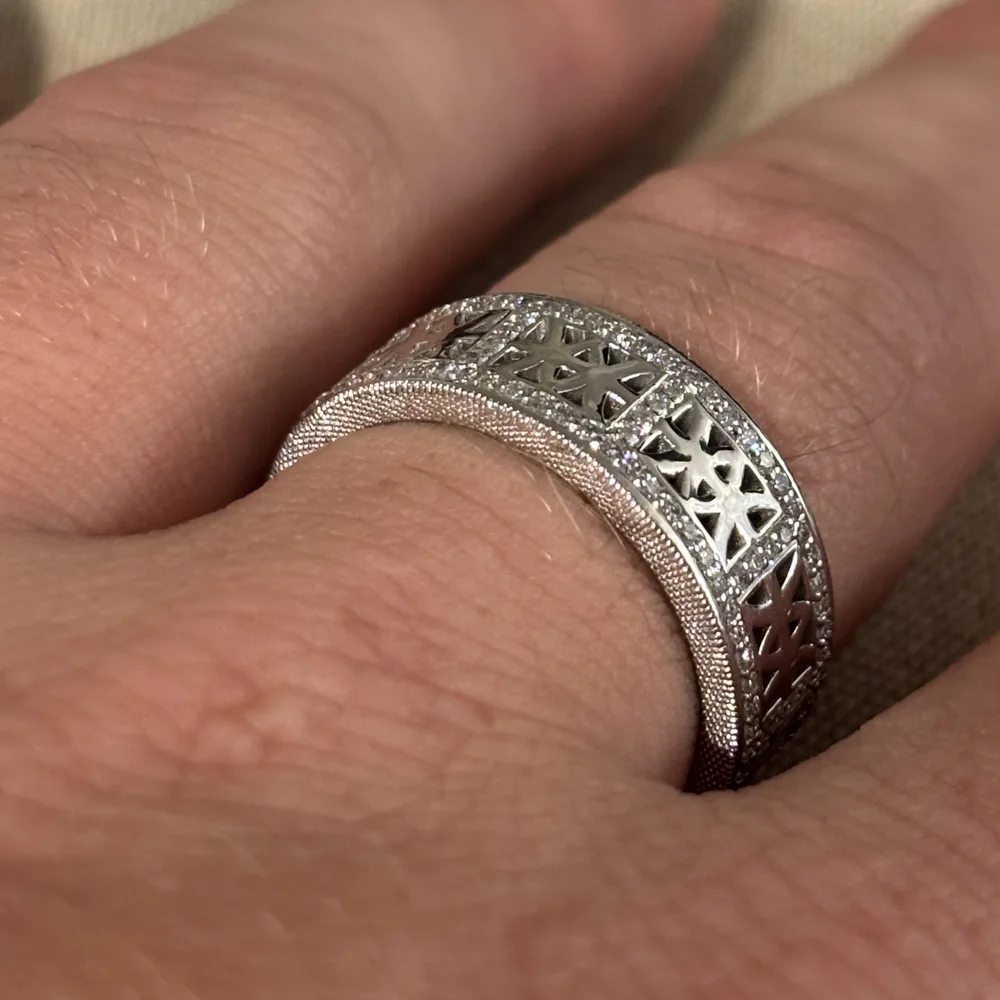
The Loyalty Line takes that definition and none of the iconography. No emperor, no eagle, no crown. What carries over is the shape of the idea: a band that is closed from a distance and open in the hand, so the piece only gives itself up to someone standing close enough to have earned it.
Line inspiration
Two things brought this line together. The first is a connection to the Bonaparte line in my own family, which led to my discovery of Napoleon's loyalty rings.
The second is closer to home. A small circle of friends has stood beside me through every chapter so far, without being asked and without ever needing it acknowledged. That is the form of loyalty this piece is built around, and the reason both of its marks face inward.
Tanner Hickson · Founder